Egg Stage
Queen ants lay oval-shaped eggs, usually in underground nests or crevices, the first stage of the life cycle.

Crawling Insects
Learn how to identify and manage ants so you can safeguard your home and business across Dubai and the UAE.
Ants belong to the Formicidae family and are among the hardest-working insects on earth. They may look similar at a glance, but species differ in appearance and behaviour.
They live in large colonies as eusocial insects, with a clear structure where each member has a role: the queen, workers and drones.
The queen is the colony’s reproductive centre. Worker ants (infertile females) handle nest tasks. Drones (males) mate with the queen, after which they die.
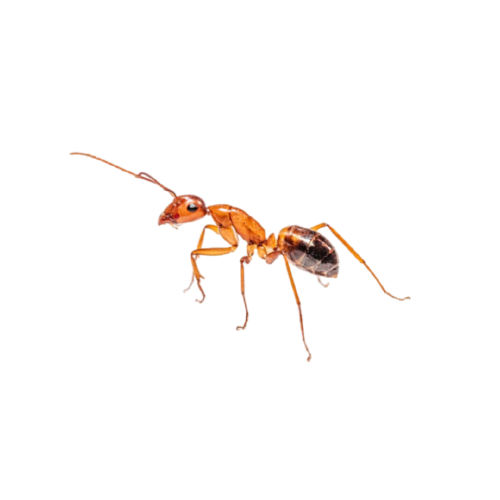
Ants develop through four stages, egg, larva, pupa and adult, before joining colony life.
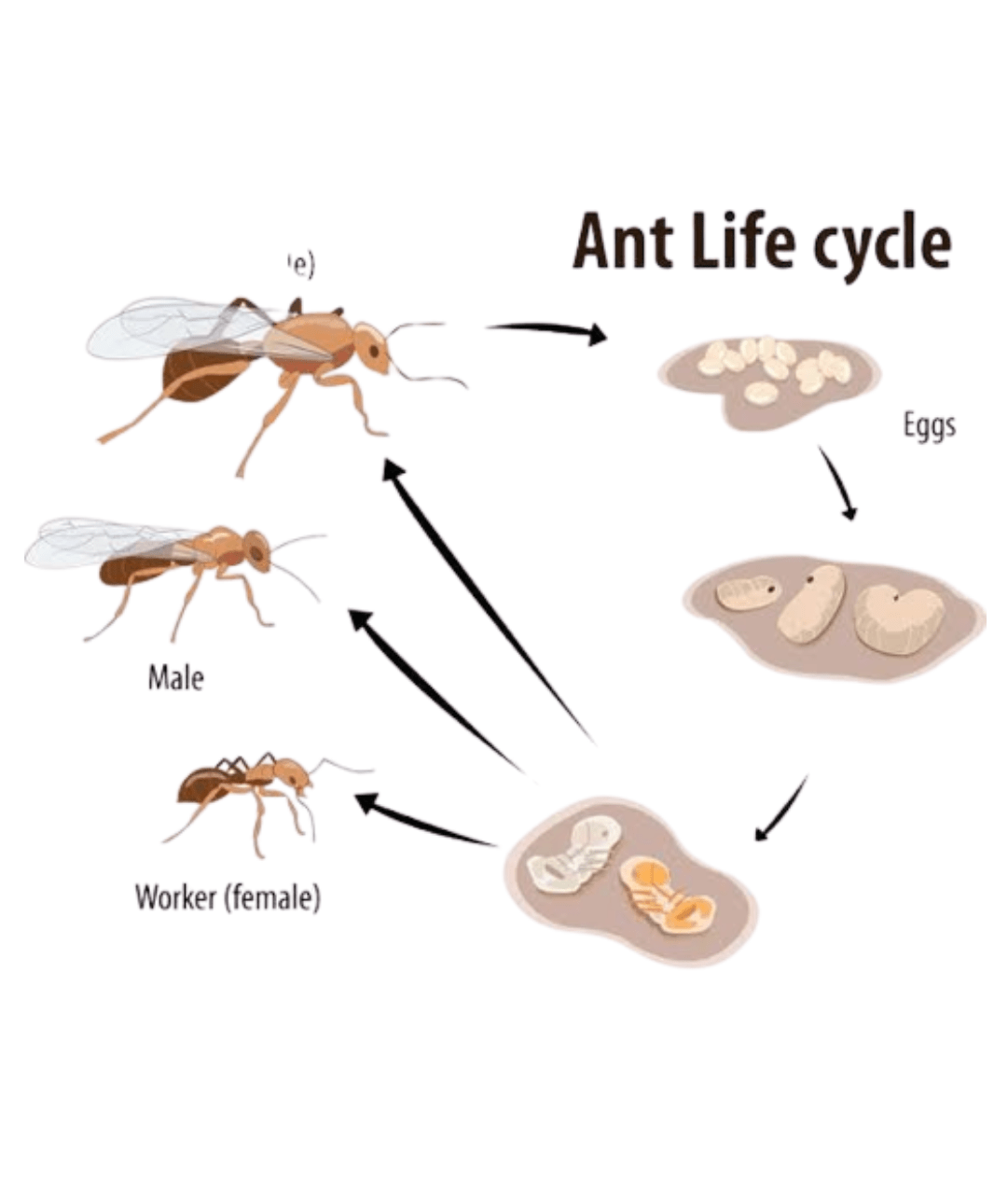
Queen ants lay oval-shaped eggs, usually in underground nests or crevices, the first stage of the life cycle.
After hatching, worker ants feed and protect the larvae as they grow.
Metamorphosis transforms the pupa into its adult form.
Fully developed ants join the colony and take on roles based on their species and caste.
Some species are known to bite or sting. Knowing which ones helps you respond safely.
Dark brown or black, ¼ to ½ inch long. They tunnel through wooden structures and are strongly attracted to sugary food sources.
Reddish-brown, 1/8 to ¼ inch long. Their painful sting can trigger allergic reactions in some people.
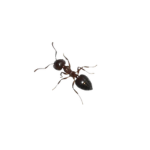
Light brown to black, 1/8 to ¼ inch long. Highly attracted to sugary substances.

Glossy black, 1 to 1.5 inches long. Named for the intense pain of their bite.
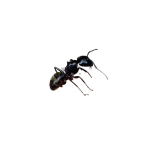
Dark black, ¼ to ½ inch long. Notorious for nuisance activity and structural damage.
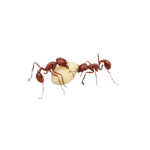
Red, brown or black, ¼ to ½ inch long. Capable of biting and stinging, which can cause irritation or swelling.
These species are still common household and commercial pests, even without a painful bite.
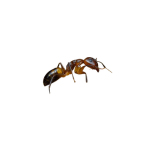
Dark brown to black, about 2.2–2.8 mm. Attracted to sweets and often aggressive toward other ant species.

Dark brown to black, about 2.4–3.3 mm. Release an odor when crushed and prefer sweet food sources.
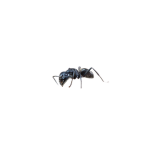
Brown to black, about 2.5–3.2 mm. Drawn to sweets and often nest in wall cracks and crevices.
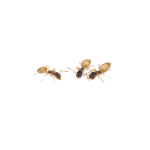
Pale yellow to whitish, about 1.3–1.5 mm. Tiny and elusive, they seem to disappear quickly.
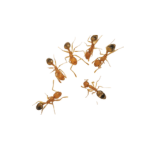
Yellow to light brown or red, about 1.5–2 mm. Challenging to control and can damage wooden structures.
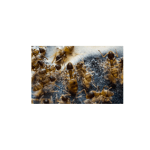
Yellow to light brown, about 1.5–2.2 mm. Named for stealing food from other ant colonies.
With over 12,000 species worldwide, ants can still drive serious infestations in homes and businesses despite their size.
Effective pest control starts with a detailed inspection, then monitoring so every issue is handled accurately. Al Rasa’s experienced team is available 24/7 to help restore a pest-free environment.
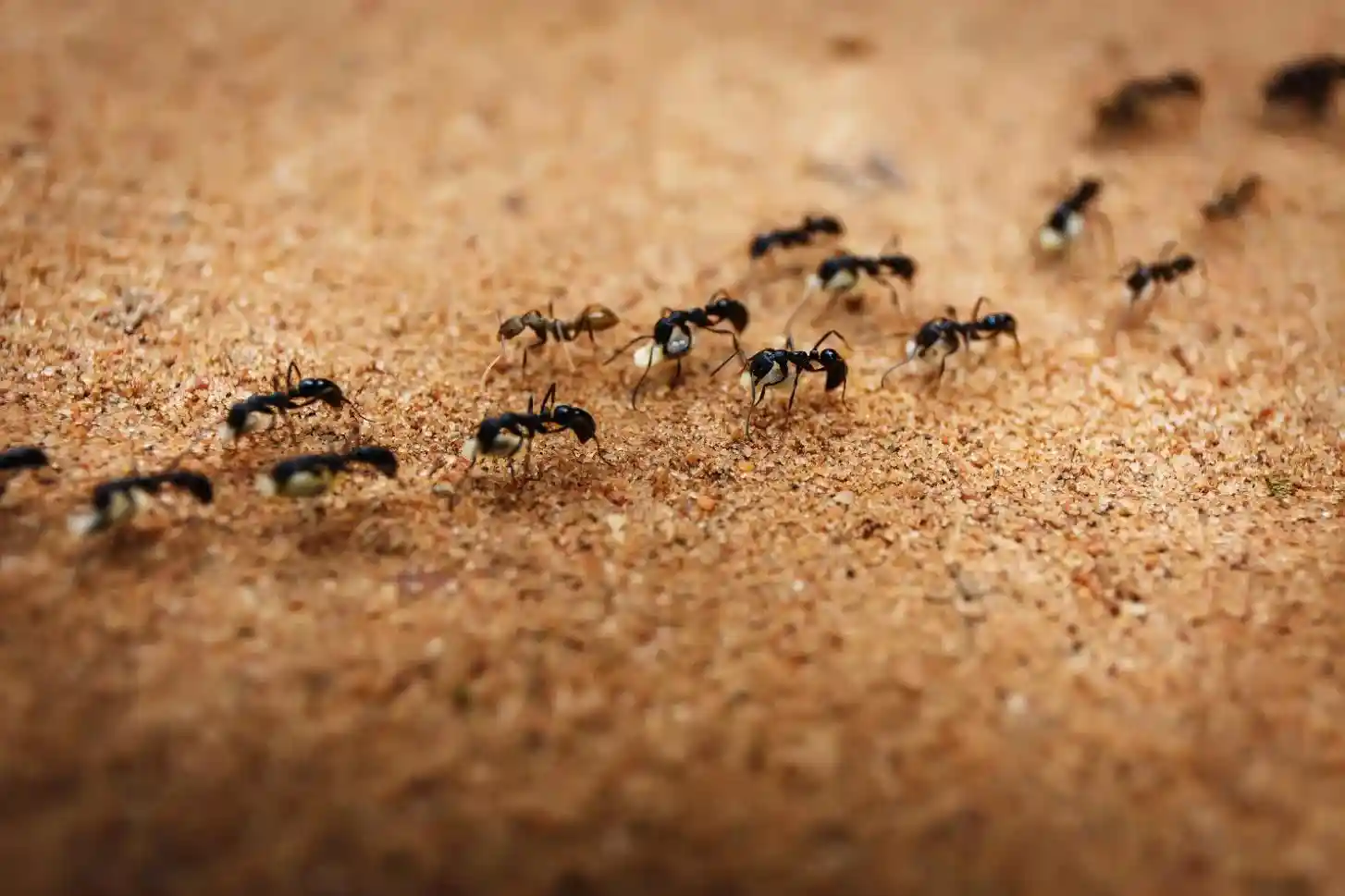
A few standout facts from colony life, communication and survival.
Al Rasa can inspect and treat ants safely across Dubai and the UAE, with clear guidance before and after treatment.

Quick answers about ant damage, attraction, DIY sprays and infestation signs.
Most ants are mainly a nuisance indoors and do not damage property. Some species, such as carpenter ants, can cause damage over time.
Ants are drawn to food and leftovers, especially sweets. Uncovered food and unclean surfaces invite them indoors.
Cheap over-the-counter chemicals can pose health risks to people and pets. Professional pest control is the safer way to handle infestations.
Look for ant pits, visible trails, and dirt or sand near entry points.