Workers
Handle colony tasks including feeding other members. They form the majority of the colony.

Crawling Insects
Learn methods for identifying and managing termites to safeguard your home and business across Dubai and the UAE.
Termites belong to the order Isoptera, showcasing complex characteristics that captivate both nature enthusiasts and scientists. Like ants, termites are well-known for their social behavior, living in highly organized colonies.
They construct their colonies using a mixture of mud, soil and saliva, communicating through chemical signals. Termites are often known as nature’s architects due to their exceptional tunnel-building skills.
There are more than 2,000 termite species worldwide, with the exception of Antarctica. Though ants and termites look similar, termites can be identified by their straight antennae, broad waist and equal-sized wings.
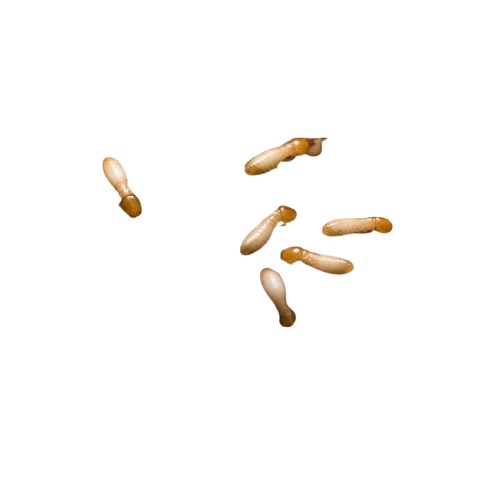
Termite colonies divide into three castes, each with a clear role that keeps the colony alive and growing.
Handle colony tasks including feeding other members. They form the majority of the colony.
Defend the colony against invaders and protect the nest.
Kings and queens whose primary role is colony survival through reproduction.
Eggs hatch into nymphs that molt several times before maturing into workers, soldiers or reproductives.
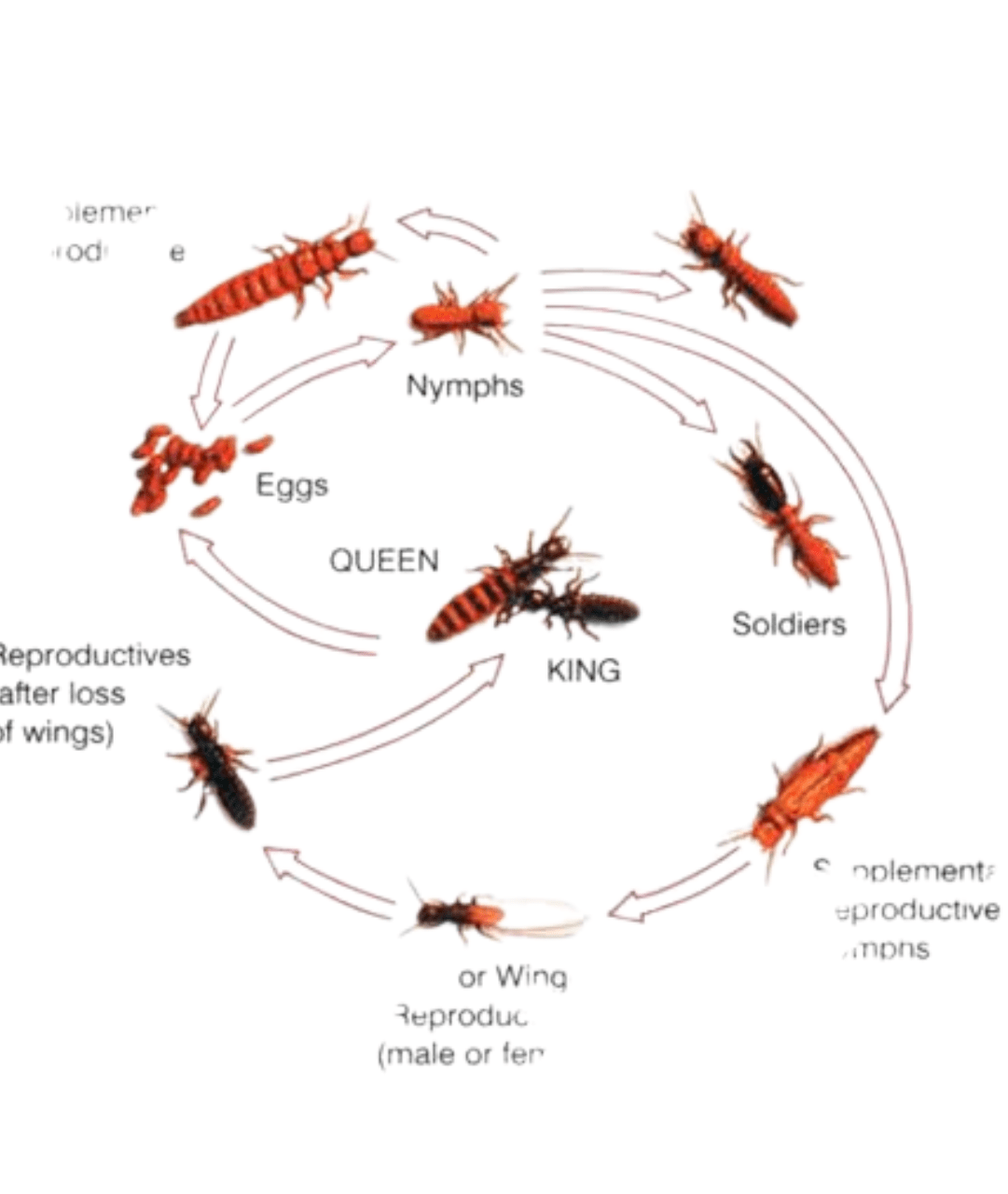
The queen lays small, translucent eggs secured in a tunnel, the start of the life journey.
Eggs hatch into nymphs. Worker termites feed and care for them as they grow.
Nymphs molt several times, shedding their exoskeletons as they develop.
They mature into workers, soldiers or reproductives and take on colony roles.
Depending on appearance, behaviour and habitat, three types are commonly found.
Pale-colored, about 1/8 to 1 inch long, with soft bodies and straight antennae. They live in underground colonies, create mud tunnels, and feed on cellulose-rich wood and decaying plants.
Smaller than subterranean termites, about 1/4 to 3/8 inches, with reddish-brown bodies and straight antennae. They live inside the wood they infest and commonly appear in warm, dry regions.
The largest type at about 1 inch long, with reddish-brown bodies. Named “dampwood” because they prefer moist wood, where damp timber and water-damaged structures help them thrive.

The world of termites is fascinating, but having these destructive pests invade homes and businesses is unacceptable. Infestations are complicated. DIY methods may offer temporary relief, but termites often bounce back and cause more harm.
If you are dealing with termites in Dubai, Al Rasa’s experienced team understands their behaviour and uses advanced methods for comprehensive elimination and prevention.
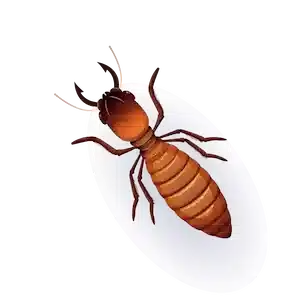
A few standout facts from colony life and survival.
Al Rasa can inspect and treat termites safely across Dubai and the UAE, with clear guidance before and after treatment.
Quick answers about termite diet, flight, damage signs, DIY limits and lifespan.
Termites are mainly attracted to food that contains cellulose, commonly found in wood, leaves and grass. Their bodies contain enzymes that allow them to absorb nutrients from these sources.
Not all termites can fly. Early reproductive termites can fly temporarily, after they mate, they shed their wings.
Look for mud tubes, hollow wood, maze-like patterns in damaged wood, and discarded wings.
DIY methods are often temporary. Termite infestations are complex, and lasting elimination usually needs professional treatment.
Lifespan varies by species and caste. Workers live a few years, queens can live more than a decade, and kings typically live a few years.