Egg Stage
Minuscule eggs are laid on or near a textile source, often hard to spot until larvae appear.

Crawling Insects
Learn methods for identifying and managing textile pests to safeguard your home and wardrobe across Dubai and the UAE.
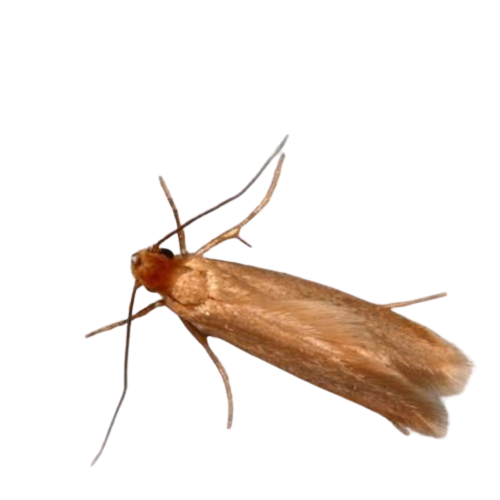
Textile pests are a nuisance because they damage clothes and fabrics often found in wardrobes and attics. Common ones include moths, carpet beetles and silverfish. They enter garments through small openings and settle in, typically feeding on fibres such as wool, silk and cotton.
That damage can be distressing when favourite clothing is ruined. Clean wardrobes regularly (or twice a week) to protect garments. For severe issues, professional pest control solves the problem more effectively.
Clothes moths and carpet beetles start as eggs on natural fibres, feed as larvae, pupate in cocoons, then emerge as adults.
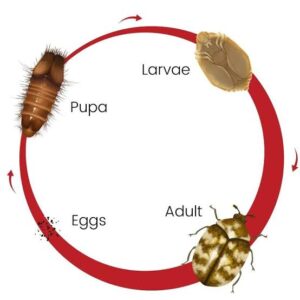
Minuscule eggs are laid on or near a textile source, often hard to spot until larvae appear.
Eggs hatch into caterpillars that grow rapidly and consume fabric for development, this is when most damage happens.
The caterpillar forms a cocoon and undergoes metamorphosis inside it.
An adult emerges from the cocoon, ready to continue the cycle.
Four common pests linked with fabric damage in homes, from moth larvae to silverfish in wardrobes.

Tiny textile pests, just a few millimetres long. Larvae are the real culprits, consuming fabrics like wool and silk as they grow.
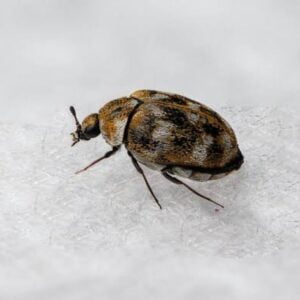
As the name suggests, they feed on carpets and clothing. Larvae can cause severe textile damage if left unchecked.

Not all spiders are textile pests, but house spiders are linked with fabric issues, webs collect dust and dirt that can stain textiles.
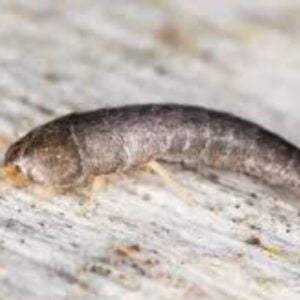
Small wingless insects that feed on a variety of materials, including textiles. Often found in basements and wardrobes.
Though small, textile pests, including moths and beetles, can infest closets and feed on costly clothing. When favourite attire is damaged, it is not only the fabric that suffers.
In Dubai, Al Rasa’s team uses targeted measures to eliminate textile pests and protect the longevity of your wardrobe. Don’t let them ruin what you love, trust Al Rasa.
Quick points on damage patterns, how long infestations stay hidden, and what attracts cloth moths.
Al Rasa can inspect and treat textile pests safely across Dubai and the UAE, with clear guidance before and after treatment.

Quick answers about susceptible fabrics, prevention, health risk and how to spot an infestation.
Textile pests are particularly drawn to fabrics like wool, silk, cotton and linen, while synthetic fibres are less attractive.
Store textiles in airtight containers, clean and inspect them regularly, and use natural repellents such as cedarwood to deter pests.
Some textile pests can trigger allergies and skin irritations in certain people, and they can also damage costly textiles.
The primary signs include small holes or powdery residue on your textiles.