Egg Stage
Minuscule eggs are laid on food sources such as grains, cereals and dry fruits.

Rodents & Others
Learn methods for identifying and managing stored product pests across Dubai and the UAE.
Stored product pests are small insects that damage food stored at home and in commercial settings. They are a nuisance, a health risk and a threat to food quality, common in warehouses, kitchens, storerooms and grocery stores, drawn to foods, fruits and grains.
Contamination can harm consumers and cause major financial losses for businesses. Experienced pest control professionals can identify the species and clear infestations effectively.

Grain beetles, weevils and similar pests develop in stored food, from eggs through larvae and pupae to adults.
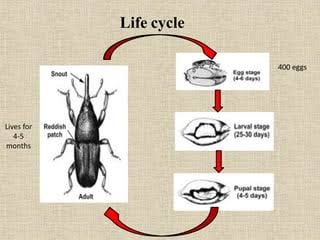
Minuscule eggs are laid on food sources such as grains, cereals and dry fruits.
Eggs hatch into larvae (often caterpillar-like) that grow rapidly while feeding on stored products.
The larva forms a cocoon and undergoes metamorphosis inside it.
An adult insect emerges from the cocoon, ready to continue the cycle.
Five common pantry and warehouse pests, moths, beetles and weevils that target dry goods.
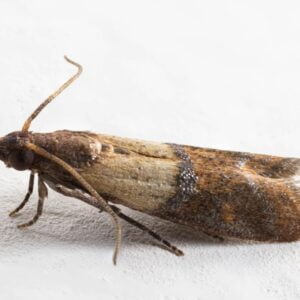
About 8–10 mm long, reddish-brown with a coppery luster and distinctive wing markings. Common in pantries; drawn to dried fruits, grains and spices.

About 3–4 mm, reddish-brown and elongated. Typically found in flour and cereals; thrives in dry environments.
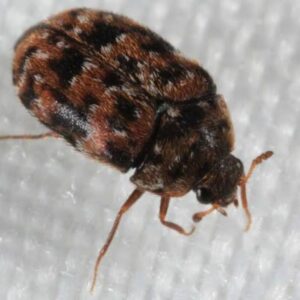
Oval, about 2.5–3.5 mm, brown and black. Common in warehouses; infest grains, spices and dried fruits.

About 2–3 mm with a humpbacked look. Named for pharmacies, but also infest spices and grains.
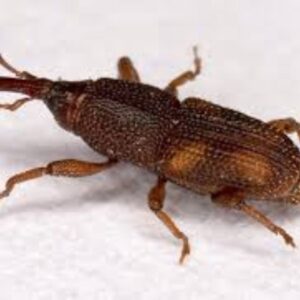
Reddish-brown, about 2–3 mm. Commonly found in rice and other grains.
Though small, these insects contaminate stored food and can create serious health risks if products are eaten. Professional pest control is the reliable way to clear infestations for good.
In Dubai, Al Rasa specialises in eliminating stored product pests with efficient, safe methods, protecting food safety and peace of mind.

Signs to watch for, what they infest, and how quickly populations grow.
Al Rasa can inspect and treat stored product pest problems safely across Dubai and the UAE, with clear guidance before and after treatment.

Quick answers about commercial risk, identification, pantry attractants, professional help and inspection frequency.
Yes. They can contaminate food, disrupt processing and storage, and cause financial losses.
Look for small insects, larvae or webbing in stored food. Colours often range from reddish-brown to black, with sizes about 2–10 mm.
Foods high in starch, protein or fat, plus poorly sealed containers or already-infested products.
In most cases, yes. Professionals know these pests and the most effective methods to eliminate them permanently.
Inspect regularly so you can catch infestations early and stop them from spreading.