Egg Stage
Tiny eggs are laid on wood surfaces, often in cracks or crevices, hard to spot because of their size.

Crawling Insects
Learn methods for identifying and managing woodworms to safeguard your home and business across Dubai and the UAE.
Woodworm, scientifically linked with species such as Anobium punctatum, belongs to the class Insecta and order Coleoptera. Small brown beetles lay eggs in wood crevices; larvae (commonly called woodworms) hatch and tunnel through wood, consuming cellulose.
They prefer damp, humid environments, old buildings, furniture and even trees. Left unchecked, they can weaken structures and damage wooden objects over time.
They do not pose a direct threat to human health, but deterioration of timber can affect property value and safety. Regular inspections, maintenance and controlled moisture help prevent infestations.
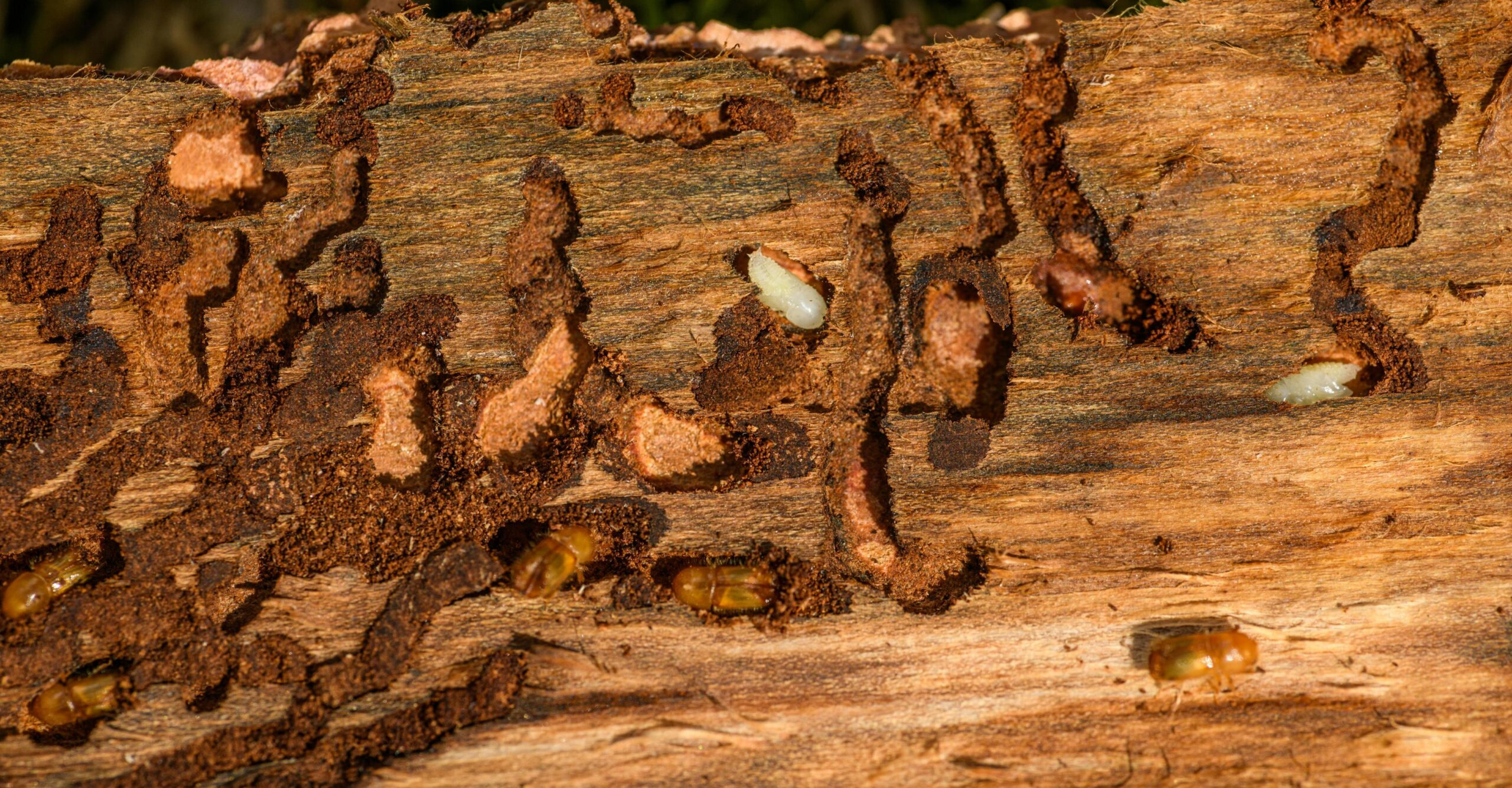
Four stages, egg, larva, pupa and adult, from tiny eggs on wood through tunnelling larvae to breeding beetles.
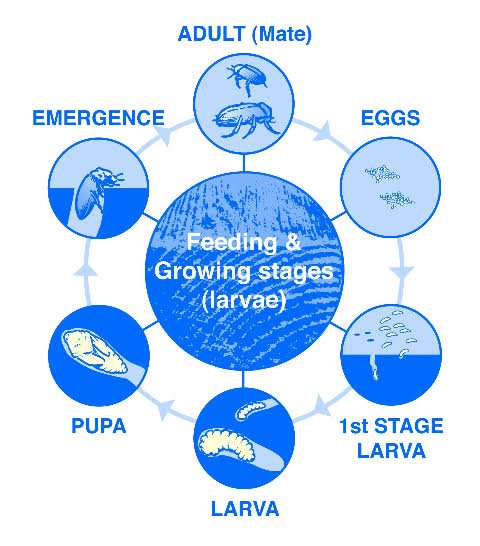
Tiny eggs are laid on wood surfaces, often in cracks or crevices, hard to spot because of their size.
Hatched larvae feed on wood and tunnel through it. This stage can last weeks to months depending on conditions.
Woodworms transform inside protective cocoons they create.
They emerge as adult beetles ready to reproduce. Adult size varies by species.
Common wood-boring beetles grouped under “woodworm”, each with different size, colour and preferred timber.
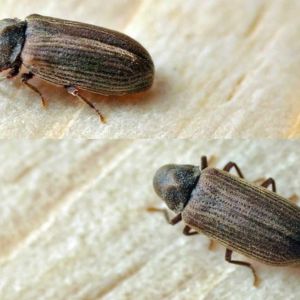
Relatively small at about 2.7–4.5 mm, dark brown with a flattened body. Can destroy many wood types and is typically found in humid environments.
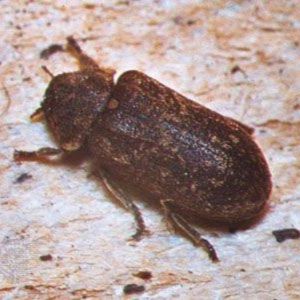
Larger than the common furniture beetle at about 5–7 mm, brown or gray. Prefers hardwood that has undergone fungal decay, often in roof timbers and wooden supports.
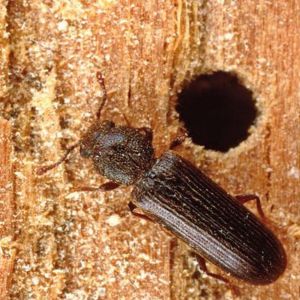
Named for turning wood into fine powder and creating narrow tunnels. About 1–7 mm, colours from reddish-brown to black.
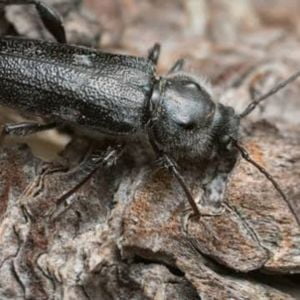
Larger at about 10–25 mm with an elongated body, gray to brown with white dots. Infests softwoods and prefers wood with high moisture content.
Woodworm larvae can seriously damage timber over time. Protecting wooden belongings and structures means acting early, not waiting for floors, furniture or supports to fail.
Al Rasa’s Dubai team assesses the infestation, chooses the right treatment and applies it to eliminate wood-boring pests, with a clear plan for lasting protection.
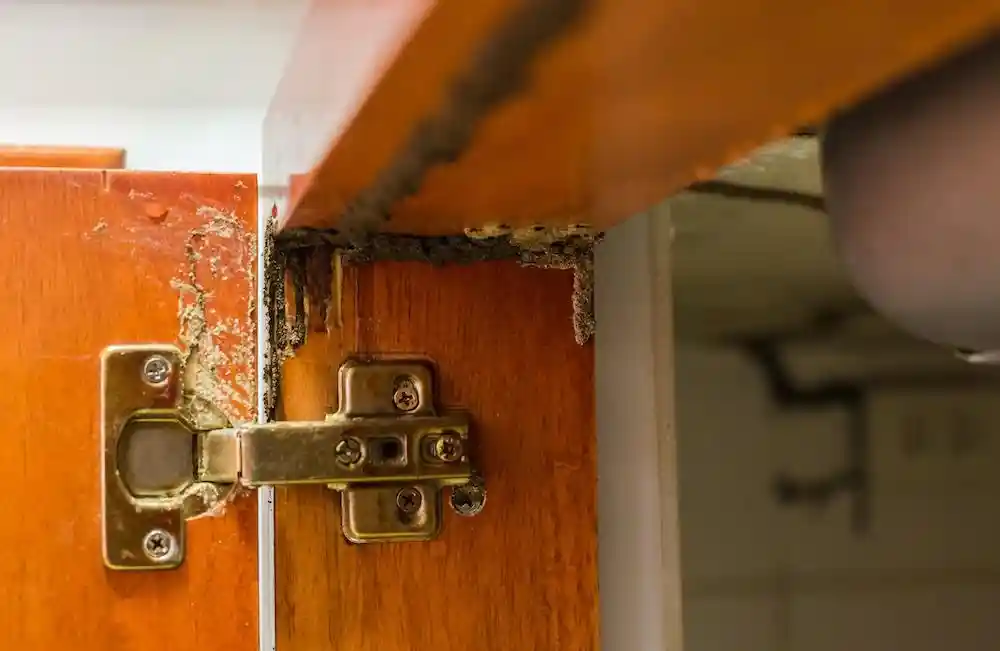
A few standout facts about what “woodworm” really means and where infestations thrive.
Al Rasa can inspect and treat woodworm safely across Dubai and the UAE, with clear guidance before and after treatment.
Quick answers about signs, species differences, health risk, DIY limits and reinfestation.
Look for small round holes on wooden surfaces, powdery frass near those holes, and wood that crumbles easily when touched.
No. Several wood-boring insects fall under “woodworm,” with different characteristics and behaviours depending on the species.
They do not pose health risks to humans, but they can damage wooden structures and furniture.
DIY treatments may help manage an infestation, but they often fall short of a lasting fix. Professional pest control is recommended for reliable results.
If treatment is incomplete or ineffective, reinfestation is possible. A professional assessment gives a more reliable long-term outcome.